Gallery
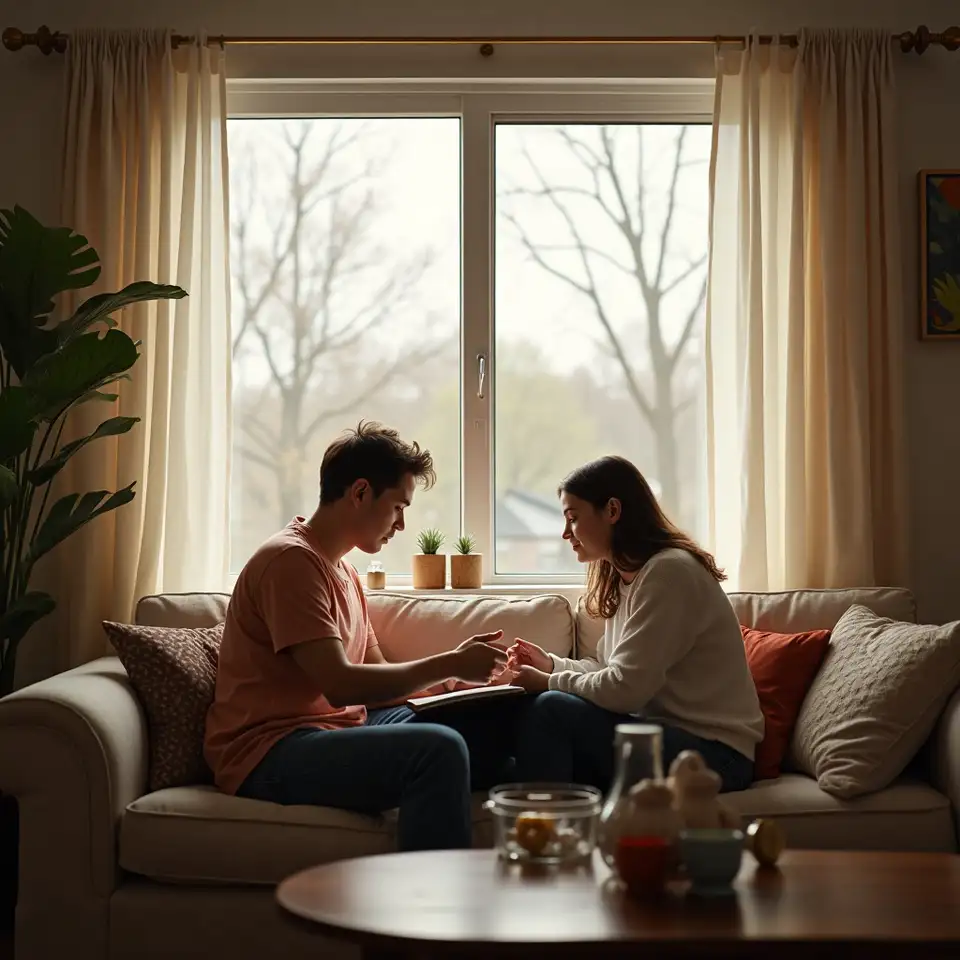
These scenes show the craftsman approach in practice: everyday Canadians making their expense plans visible and sturdy.

Many planning systems feel one-size-fits-all. This one adapts, with room for the unexpected and respect for each family’s rhythm.
Built for the details of real life
Not every method works for every household, and that’s by design.
A craftsman’s approach recognizes there’s no universal blueprint. Every family faces a different set of challenges and priorities, so flexibility is built in from the start.
Rather than relying solely on averages or standard templates, this method encourages regular reviews. Adjustments are made as life changes—new jobs, new kids, new plans.
With each check-in, the plan gets stronger. Old entries are kept for reference,
helping households spot patterns and prepare for what’s ahead.
Some planners chase novelty; this approach favors tradition, shaped by what has actually worked.
Learning from every season
Every tradition began with someone looking for a better way.
Planning household expenses year by year is less about perfection, more about steady progress. Each mistake becomes part of the pattern, leading to improvements the next time around.
Over time, these careful habits build confidence. A well-tended plan grows sturdier, ready for the big surprises and the small ones alike.
No claim here of magic fixes or instant success. Just the promise that with attention, even the trickiest annual bills feel less intimidating.
The story behind our approach

No fancy dashboards here—just reliable steps passed down like a favorite hand tool. When mapping out the year’s household costs, this method stops to notice what others might skip. Insurance doesn’t hit every month. Neither do school fees, subscriptions, or taxes. Most planners set a fixed monthly number. This one asks: What about the bills that surprise, but come right on schedule? Working through these details with care, every calculation gets double-checked. Instead of chasing trends, the focus lands on habits that survive a leaky roof or a missed invoice. That’s how plans hold up over time. The work is steady, sometimes slow, and always grounded in what real households face year after year.
1
Tradition matters
Tradition doesn’t mean resisting change—it means choosing only what stands up to scrutiny. Each tool and checklist is selected for real staying power.
2
Details over shortcuts
Every detail counts, especially the ones that are easy to overlook. Annual expenses are mapped as carefully as daily ones, so the plan stands solid.
3
Openness first
Conversations around the table are part of the process. Instead of keeping plans hidden, this method encourages open discussion for shared confidence.
4
Learning every year
Plans grow stronger with each season. Mistakes and adjustments are recorded, not hidden, so the next year’s planning can start from a better place.
Irregular expenses need more than a reminder. They need their own place in the plan.
Annual fees for insurance, property taxes, or seasonal memberships don’t always fit neatly into a typical monthly plan. That’s why each is mapped out in advance, so nothing catches a household off guard.
Visual cues—like colored tabs or a dedicated notebook—make these recurring costs easy to spot and discuss. Instead of waiting for a bill to appear, the plan brings these expenses to the forefront.
This approach favors adaptability. If something changes, like a new subscription or a policy renewal, the plan flexes. The structure remains sturdy, even as the details shift.
Why choose a craftsman’s method for annual household planning
Picture a kitchen table strewn with receipts, not a conference room. That’s the difference—no jargon, just the rhythms of daily life. Our methods favor simple steps, a good pen, and questions that probe deeper than the surface. Others might rely on software or quick fixes, but here, every suggestion has to stand the test of a real Canadian winter.
Our process
A craftsman doesn’t rush. Each part of the plan is laid out with intention, just like building something meant to last. Here, the goal isn’t a quick fix, but a reliable habit that stands up to changing costs.
Every recommendation is weighed against what families actually face—unexpected repairs,
school trips, or membership renewals. This means nothing gets ignored, even if it happens
only once a year.